
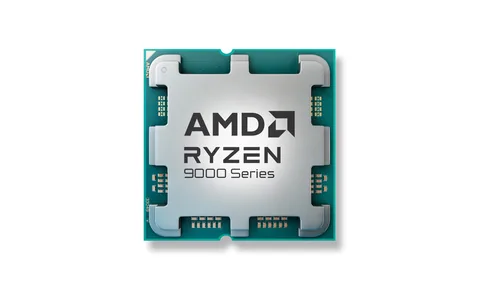
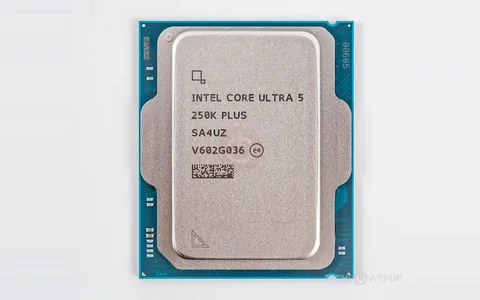
| Specification | AMD Ryzen 7 9850X3D | Intel Core Ultra 5 250K Plus |
|---|---|---|
| Platform | Zen 5 / AM5 | Intel Core Ultra Processors (Series 2), Arrow Lake |
| Cores / threads | 8 / 16 | 18 total: 6 Performance-cores + 12 Efficient-cores / 18 threads |
| Maximum boost | 4.7GHz / up to 5.6GHz | Up to 5.3GHz |
| Cache | 96MB | 30MB Intel Smart Cache; 30MB total L2 cache |
| Power rating | 120W | 125W / 159W |
| Memory | DDR5; two memory channels | DDR5 up to 7200 MT/s (Intel specification) |
What the specifications show
The Ryzen 7 9850X3D has 8 cores and 16 threads with 96MB of L3 cache, a design aimed at latency-sensitive gaming. The Core Ultra 5 250K Plus has 18 cores and threads, split between 6 Performance-cores and 12 Efficient-cores.
TDP and Intel’s base and maximum turbo power are defined differently, so the power rows are not a like-for-like measurement of consumption.
What independent reviews add
Tom’s Hardware described the 9850X3D’s gains over the 9800X3D as marginal relative to its extra power use, and found the 250K Plus competitive in gaming and strong in threaded application tests. These were separate reviews with their own comparison sets, so they are not a direct head-to-head.
How to decide
Check socket and BIOS compatibility first, since the two chips need different platforms. Then weigh your mix of gaming and multi-threaded work, the cooler you will need to add for the 9850X3D, and the total platform cost in your market.
This comparison uses manufacturer specifications and attributed outside review findings. TWW has not tested either processor.
AMD Ryzen 7 9850X3D specifications and sources →